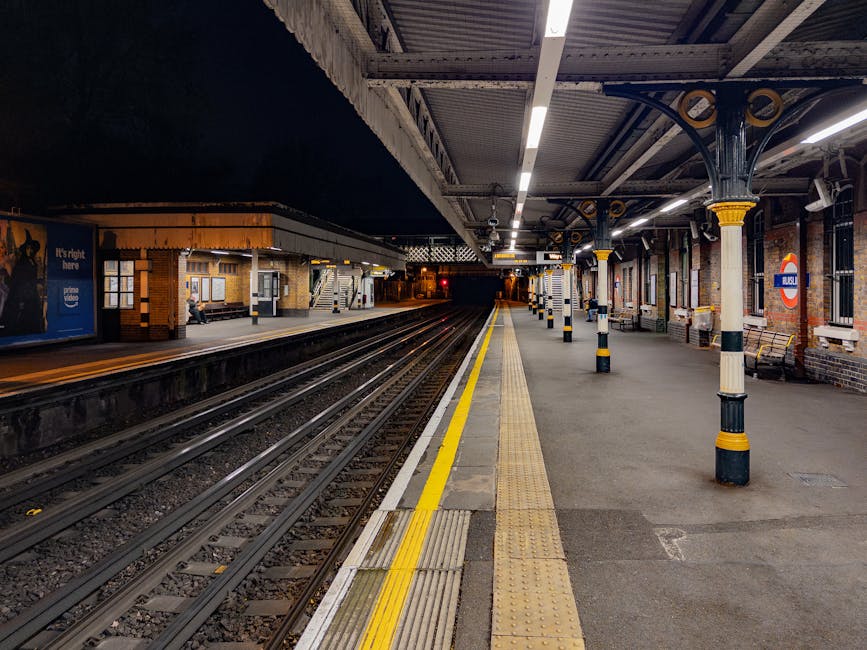
Kennington Station Area Removals Guide for Flat Moves
Moving a flat near Kennington station sounds simple on paper. In real life, it usually means narrow streets, awkward parking, stairwells that seem to go on forever, and a watchful eye on timing because one wrong hour can make everything slower. That is exactly why this Kennington station area removals guide for flat moves matters. It is written for anyone trying to move in or out of a local apartment, whether you are on a top floor conversion, a modern block, or a smaller rented flat with no lift and very little spare space.
The good news? With the right plan, a flat move around Kennington station can be calm, efficient, and surprisingly manageable. You just need to think a little differently from a standard house move. Access, packing, lift bookings, loading zones, and the order you move items all matter more than people expect. Truth be told, that is where most stress creeps in.
This guide walks through what to expect, how the moving process works, what makes local moves around the station area unique, and which practical steps help most on the day. Along the way, you will also find useful internal resources for packing, pricing, storage, and service options if you want to keep exploring.
Table of Contents
- Why Kennington station area removals guide for flat moves Matters
- How Kennington station area removals guide for flat moves Works
- Key Benefits and Practical Advantages
- Who This Is For and When It Makes Sense
- Step-by-Step Guidance
- Expert Tips for Better Results
- Common Mistakes to Avoid
- Tools, Resources and Recommendations
- Law, Compliance, Standards, or Best Practice
- Options, Methods, or Comparison Table
- Case Study or Real-World Example
- Practical Checklist
- Conclusion
- Frequently Asked Questions
Why Kennington station area removals guide for flat moves Matters
Kennington station sits in a part of London where moving logistics can be oddly specific. You are often dealing with residential streets close to busier roads, shared entrances, mixed building types, and limited space to park or unload. For flat moves, that combination makes a standard "turn up and load" approach a bit risky.
Why does this matter so much? Because the small details add up. If the van cannot stop close enough to the building, the team spends extra time carrying boxes. If the lift is unavailable or too small, heavier items need to be planned differently. If your sofa was measured loosely, it may not fit through the hallway at all. And yes, that happens more than people like to admit.
A local flat removal near Kennington station is therefore less about brute strength and more about sequencing. You need to know what leaves first, what is fragile, what needs dismantling, and whether a man and van in Kennington is enough or whether a fuller removal service makes more sense. That decision alone can save time, money, and quite a bit of wobbling up staircases.
It also matters because flat moves often affect neighbours. Hallway noise, door propping, lift use, and shared access can all create friction if handled carelessly. A thoughtful plan helps you move without turning the building into a bottleneck. Small thing, maybe. But it makes a difference.
How Kennington station area removals guide for flat moves Works
A good flat move around Kennington station usually follows a simple pattern: assess the property, plan access, pack properly, move in stages, and deliver on a sensible schedule. The logic is straightforward, but the execution needs care.
First, the removal team should understand the type of flat involved. A ground-floor apartment with a parking space is very different from a fourth-floor conversion with narrow stairs. Then comes the access check: where the van can stop, whether there are yellow lines, whether there is a concierge, whether a lift needs reserving, and whether large items can be carried without causing damage.
After that, packing and sorting become the focus. A well-organised flat move is usually built around labelled boxes, grouped rooms, and a clear plan for fragile items. If you need support here, it is worth looking at packing and boxes in Kennington and the practical guidance on packing your items before collection. That kind of preparation can shave a surprising amount of time off moving day.
Finally, the delivery stage matters just as much as the loading stage. Some customers prefer early morning moves so the day feels open after that. Others need later delivery because of building access rules or work schedules. If that sounds like your situation, the page on flexible delivery timing is worth a look.
In practice, a strong flat removals plan should answer four questions:
- What can be moved safely without dismantling?
- Where will the van park and unload?
- Which items need extra protection or special handling?
- What is the best sequence for loading and delivery?
Once those are clear, the move becomes far less chaotic. Not perfect. Moving rarely is. But manageable.
Key Benefits and Practical Advantages
There are a few reasons people choose a local, well-planned flat move around Kennington station instead of trying to do everything themselves. Some are obvious. Some only become obvious after the first half-hour of carrying a mattress down stairs.
Smoother access planning
When the move is designed around local access conditions, the whole day tends to run more cleanly. Less waiting. Less backtracking. Fewer "hang on, that won't fit" moments at the doorway.
Less damage risk
Flat moves often involve tighter corners, shared walls, and more delicate fixtures than houses. A proper plan helps protect both your belongings and the building itself. That includes door frames, banisters, flooring, and the occasional overconfident lamp.
Better use of time
Flat moves in London can turn expensive if the clock keeps ticking while people hunt for parking or re-wrap furniture. A well-prepared move keeps things moving. That makes a real difference, especially for smaller one- or two-bedroom flats where efficiency matters.
Less stress on the day
Let's face it, moving is emotional as well as practical. Even when the flat is small, you are still packing up routines, habits, and a bit of life. A clear removal plan gives you a bit of breathing room, which is worth more than people expect.
More suitable service choice
Some moves only need a removal van in Kennington. Others need a broader team approach. If you are comparing options, the services overview and the page on removal companies in Kennington can help you think through what level of support fits your move best.
| Benefit | Why it matters in a flat move | Practical effect |
|---|---|---|
| Access planning | Kennington flats often have limited loading space | Less delay and fewer carrying trips |
| Proper packing | Stairs and corridors increase damage risk | Safer transport for fragile items |
| Time coordination | Buildings and roads can be busy at certain times | Better move-day flow |
| Right-sized service | Not every flat move needs the same setup | More efficient cost and labour use |
Who This Is For and When It Makes Sense
This guide is for anyone moving a flat near Kennington station, but the details are especially useful if your move involves limited space, time pressure, or awkward access. That could mean a student flat, a rented one-bed, a modern apartment with building rules, or a small family flat where furniture has piled up over time.
It also makes sense if you are moving out of the area and want the process to stay calm. Kennington is well connected, which is a blessing, but busy local transport and road patterns can still affect timing. The area is also close to several housing types, so there is no one-size-fits-all solution. A move from a period conversion on a quieter street may need very different handling from a newer block near the station.
If you are a tenant, you may need to coordinate with inventory checkouts and lease timings. If you are a homeowner, you may be dealing with completion day uncertainty. If you are a student or a short-term renter, speed might matter more than full-scale packing support. For students specifically, student removals in Kennington can be a more appropriate fit.
It also makes sense if your move includes a few awkward extras. A heavy wardrobe. A piano. A very large mirror. That one chair nobody wants but somehow everyone owns. For specialist items, the dedicated piano removals and furniture removals pages are useful next steps.
Step-by-Step Guidance
Here is a practical way to approach a flat move near Kennington station without making it harder than it needs to be.
1. Start with access, not boxes
Before you pack every mug in the kitchen, look at the building. Measure hallways if needed. Check if the lift is available. Ask whether there are move-in or move-out rules. Look at where a van can realistically stop. This is the unglamorous part, but it saves you trouble later.
2. Sort items by priority
Not everything needs the same level of attention. Create three rough groups:
- Fragile or valuable items
- Large or awkward furniture
- Everyday boxes and loose household items
That way, you know what needs wrapping, what may need dismantling, and what can be loaded quickly. This is one of those small habits that makes a move feel organised from the start.
3. Pack room by room
Room-by-room packing is boring, yes. Also brilliant. Label each box clearly and keep similar items together. A box of cables, chargers, and random desk bits should not be buried under winter coats and bathroom products. Nobody wants that on arrival day.
If you want to prepare the easy way, use the advice on packing your items and waiting for collection. It is the kind of guidance that helps people stop half-packing and actually finish the job.
4. Protect furniture and fragile pieces
Wrap table edges, mirrors, and appliances properly. Empty drawers where possible. Remove loose shelves. Tape cords securely. If you have a larger item that cannot be safely carried as-is, think about dismantling it rather than forcing it through the hallway like a puzzle with poor instructions.
5. Decide what travels with you personally
Documents, keys, medication, laptops, charging cables, and valuables are usually best kept separate. Keep them in one personal bag so they do not vanish into the moving pile.
6. Confirm timing with the moving team
A good move depends on timing that works for both the building and the route. If you need delivery at a specific time, use a service that allows for that. The page on best-time delivery arrangements is especially helpful if your schedule is tight.
7. Leave a buffer for the unexpected
There is almost always a little surprise. A key left upstairs. A box that is heavier than it looked. A parking spot blocked by another vehicle. Build in slack where you can. A sensible move does not pretend those things never happen; it plans for them.
Expert Tips for Better Results
These are the small, practical points that often make the difference between a stressful move and a fairly ordinary one. Ordinary is good, by the way. Ordinary means manageable.
- Use colour-coded labels for each room so boxes land in the right place faster.
- Photograph cable setups before unplugging anything behind TVs, routers, and desks.
- Keep a first-night box with toiletries, tea, towels, chargers, and basic kitchen bits.
- Protect floors and corners where possible, especially in shared hallways.
- Book the move early if you are aiming for a busy Friday or end-of-month slot.
- Be realistic about heavy items; if something feels borderline, ask for proper handling rather than improvising.
In our experience, the most relaxed moves happen when people think like editors. Cut the clutter. Keep what matters. Pack the same category together. Simple idea, but it works.
It is also worth choosing a provider that is transparent about pricing and service scope. If you are comparing options, the pricing and quotes page gives you a sensible starting point, while payment and security helps reassure anyone who likes to check the fine print before committing. And fair enough too.
Common Mistakes to Avoid
Most bad moving days come from a handful of avoidable mistakes. None of them are dramatic on their own. Together, they can create chaos. A classic little chain reaction, that.
Underestimating access issues
People often assume the van will park right outside, and then discover a narrow road, resident restrictions, or a distance between the building and the loading point. That adds time and effort. Always check access in advance.
Leaving packing too late
Last-minute packing leads to poor labelling, bad box weight distribution, and missing essentials. The result is usually one very tired person hunting for a toothbrush at 11 p.m.
Not measuring large furniture
Hallways and stair turns can be unforgiving. Measure sofas, wardrobes, and beds before move day. If an item needs dismantling, make that decision early.
Mixing fragile and heavy items
This one causes avoidable damage. Keep glass, ceramics, and electronics separated from dense books or kitchen equipment.
Ignoring building rules
Some flats have lift bookings, move windows, or concierge sign-in procedures. If you skip those checks, you may end up waiting outside with a full van. Not ideal.
Choosing the wrong type of service
A light move may only need a simple man with van in Kennington, while a heavier or more complex move may need a broader team and more time. If you are not sure, compare with the broader flat removals service and see what suits your situation.
Tools, Resources and Recommendations
You do not need fancy equipment for a good flat move, but a few practical tools make the day easier.
- Strong cardboard boxes in mixed sizes
- Bubble wrap or paper wrap for fragile items
- Packing tape and a reliable tape dispenser
- Labels or marker pens
- Furniture blankets and straps
- Basic tools for dismantling beds and tables
- Cleaning wipes and rubbish bags for the final sweep
For anyone trying to simplify the process, storage can also be useful if your dates do not line up neatly. That is especially common in London, where completion, tenancy, and key handover dates do not always behave themselves. The storage in Kennington page is a practical option to review if you need breathing space between moves.
If your move is likely to be more complex, you may also want to review removals in Kennington and the wider removal services information so you can match the level of support to the job. Sometimes the smartest move is simply choosing the right support early.
Law, Compliance, Standards, or Best Practice
For a flat move, most of the practical compliance issues are about property access, safety, and respecting local rules rather than anything overly complicated. Still, they matter.
Building managers may have specific procedures for lift reservations, loading bays, or move-in times. Leaseholders and tenants should check any building notices or tenancy terms before moving day. If you are using communal areas, it is sensible to avoid blocking exits, damaging walls, or leaving packaging behind. That is just basic good practice, but it saves hassle.
On the removals side, reputable providers should take safety seriously. Look for clear information about insurance, handling practices, and health and safety. You can review the company's insurance and safety information and the health and safety policy if you want reassurance about how work is approached.
Recycling and waste handling also deserve a mention. Not every old item should just be thrown away. If you are clearing out before a flat move, the recycling and sustainability page is a sensible place to learn how unwanted items may be handled responsibly. A bit of care here goes a long way.
And one small but important point: if anything feels uncertain on move day, ask. Better to clarify than to guess. Always better.
Options, Methods, or Comparison Table
Flat moves near Kennington station usually fall into one of a few practical approaches. The best option depends on volume, access, timing, and how much lifting you want to do yourself.
| Method | Best for | Pros | Trade-offs |
|---|---|---|---|
| Man and van | Small flats, light loads, quick local moves | Flexible, usually efficient, good for simple jobs | May be less suitable for bulky furniture or complex access |
| Dedicated flat removal service | One- to three-bedroom flats, more belongings, shared access | More support, better planning, better for awkward items | Can be more involved than a minimal service |
| Self-managed move with hired van | Very small moves, confident DIY movers | Can appear cheaper at first glance | More risk, more time, more physical effort, higher chance of mistakes |
| Move with storage stop | Gap between addresses or delayed completion | Useful when dates do not line up neatly | Requires extra planning and handling |
If your move is very small, a man and van service in Kennington may be enough. If the flat contains more furniture, harder access, or time-sensitive delivery, the more structured approach can be the safer choice. That is the real decision point.
Case Study or Real-World Example
Picture a typical move from a second-floor flat near Kennington station. The tenant has a bed frame, sofa, dining table, about twenty boxes, a TV, and a few awkward kitchen items. No lift. Narrow stairwell. A moving date on a weekday morning.
On paper, it looks straightforward. In reality, the route from front door to van needs to be planned carefully. The sofa cannot be left to last because it blocks the hallway. The bed frame should be dismantled the night before. Boxes need to be grouped so the heaviest ones do not get mixed with the fragile ones. The van should arrive after the route is clear, not before everyone is ready and standing around with coffee going cold.
In this type of move, the best result usually comes from a simple rule: get the awkward items out first, then the boxes, then the final bits and pieces. It sounds obvious. It often is obvious. But in the moment, with keys, doors, stairwells, and people trying not to drop anything, obvious things get forgotten.
If the tenant also needs temporary holding space because the new flat is not ready yet, storage can keep the move from turning into a scramble. And if the move involves only a few items, a smaller service may be more efficient than a full team. Matching service size to reality is the quiet win here.
Good flat removals are not about speed alone. They are about moving the right items, in the right order, with the least fuss possible.
Practical Checklist
Use this checklist a few days before the move, then glance at it again on the morning itself.
- Confirm the moving date and arrival time
- Check building access, lift bookings, and any move rules
- Measure large furniture and doorways where needed
- Pack fragile items separately and label them clearly
- Prepare a personal bag with documents, keys, chargers, and medications
- Dismantle beds, tables, or other large items if required
- Reserve parking or loading space where relevant
- Keep cleaning supplies handy for the final flat sweep
- Set aside one box for essentials on the first night
- Review insurance, safety, and payment details before moving day
One last tip: if you are still sorting things the night before, do not panic. Prioritise the essentials, finish the obvious boxes, and carry on. A move does not need to be perfect to be successful.
Conclusion
A move near Kennington station can be straightforward if you treat it like a local flat move rather than a generic relocation. That means planning access, packing sensibly, choosing the right level of service, and staying realistic about stairs, timing, and awkward furniture. It also means using local knowledge to your advantage instead of guessing and hoping for the best.
Whether you are moving a studio, a one-bed, or a larger flat, the basics stay the same: prepare early, protect the things that matter, and make the day as predictable as possible. That is the whole game, really. Calm beats rushed every time.
If you are comparing options or want to get a clearer sense of what your move might involve, start with the relevant service pages, check the practical support available, and make the first call when you are ready.
Get a free quote today and see how much you can save.
And if the whole thing still feels a bit much, that is normal. A good move can feel like a fresh start before the boxes are even unpacked.
Frequently Asked Questions
What is the best way to plan a flat move near Kennington station?
Start with access and timing, then work backwards to packing and loading. Check parking, lift use, building rules, and the size of any large furniture before you book or move anything.
Do flat moves in the Kennington station area usually need a full removal team?
Not always. Small moves may only need a man and van setup, while larger flats or awkward access situations often benefit from a fuller removal service.
How far in advance should I book a removals service in Kennington?
As early as you can, especially if you are moving at the end of the month, on a Friday, or during a busy period. Early booking gives you more flexibility and usually less stress.
What should I pack first when moving a flat?
Pack rarely used items first, such as books, decorations, spare bedding, and out-of-season clothes. Leave daily essentials, valuables, and documents until last.
Can a removal van handle narrow streets around Kennington station?
Often yes, but access needs to be checked properly in advance. Narrow roads, parked cars, and local restrictions can all affect where a van can stop and how long loading takes.
What if my new flat is not ready on moving day?
Storage may be the most practical option if your dates do not line up. It is common in London and can help avoid a rushed or messy handover.
Are fragile items safe during a local flat move?
They can be, provided they are packed properly and kept separate from heavier items. Good wrapping, clear labelling, and careful loading all help reduce risk.
Should I dismantle furniture before the move?
If it is large or difficult to carry through stairwells and doorways, yes, dismantling usually helps. Beds, tables, and some wardrobes are often easier to move in parts.
How can I keep moving day from running late?
Prepare the flat the night before, confirm the access plan, label boxes clearly, and keep essentials ready. Delays often come from parking, missing items, or unfinished packing.
What should I look for in a removals company for a flat move?
Look for clear pricing, local experience, safety information, and a service that suits the size of your move. It also helps if the company explains timing and handling in plain English.
Is it worth using storage for a flat move in Kennington?
Yes, if your dates do not line up or if you want to reduce pressure during a complex move. Storage can make the whole process feel far less frantic.
Where can I get help or a quote for a Kennington flat move?
You can start with the contact page to ask questions or request a quote. If you want to understand the wider offering first, the Kennington removal companies page and removal services overview are useful places to begin.